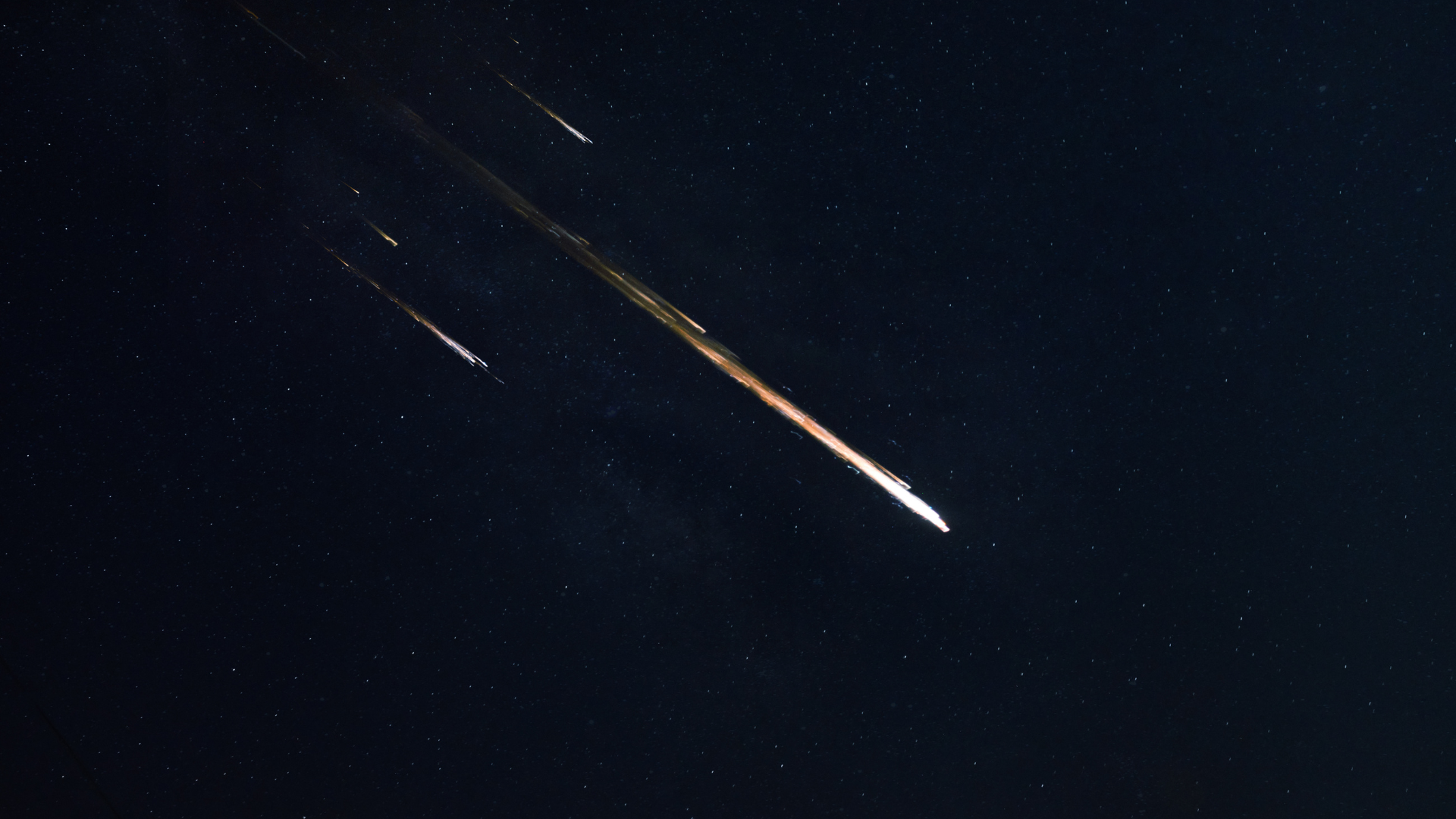
The Alpha Centaurid meteor shower (also spelled α-Centaurid) was likely first observed from Sydney, in February 1889. However, they weren’t recorded again until 1938, when they were observed from South West Africa. The meteors were only formally recognised in...
The spectacular Western Australian night sky will be on show in 2026. We’ve put together your handy list, so you won’t miss a moment of the spectacular stars and the awe-inspiring Milky Way. Low light pollution in WA means that stargazing is a world-class experience...
This Easter weekend, step outside on Good Friday evening, and treat yourself to a celestial spectacle. It’s not often we take a break to look up into our night sky. It’s something that’s missing in our busy lives. So, after sunset turn your attention...
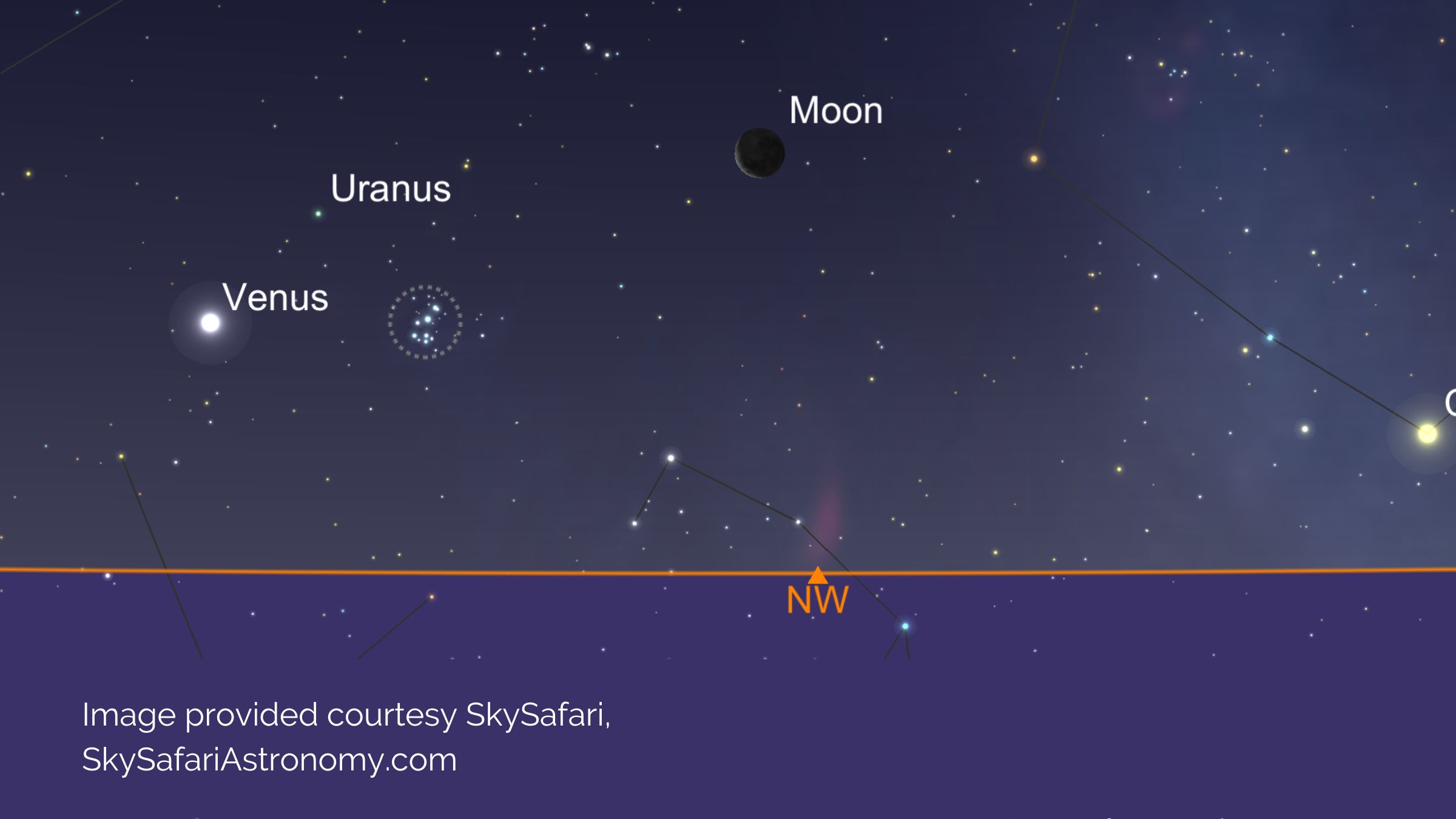
The Seven Sisters or Pleiades is a beautiful open cluster of stars visible to the naked-eye. It does help if you’re in a dark sky location as it’s quite faint to see. Tonight, use bright Venus as your guide. Pleiades is at the same height from the horizon...
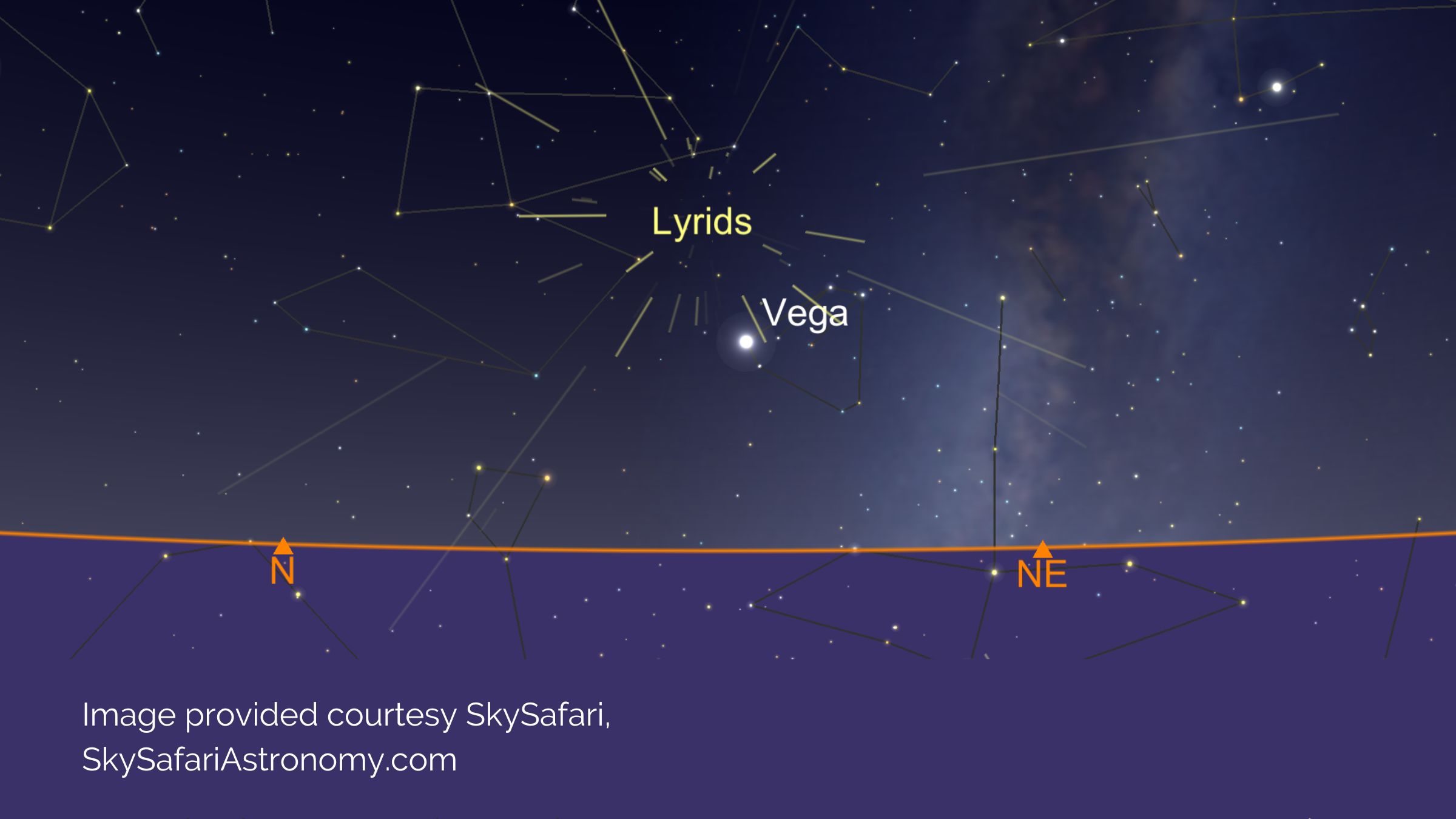
The Lyrid Meteor Shower is known for its fast and bright meteors, with occasional fireballs. Meteor showers are named after the constellation where they appear to come from. In the case of the Lyrids, the meteors come from the direction of the Lyra constellation. If...
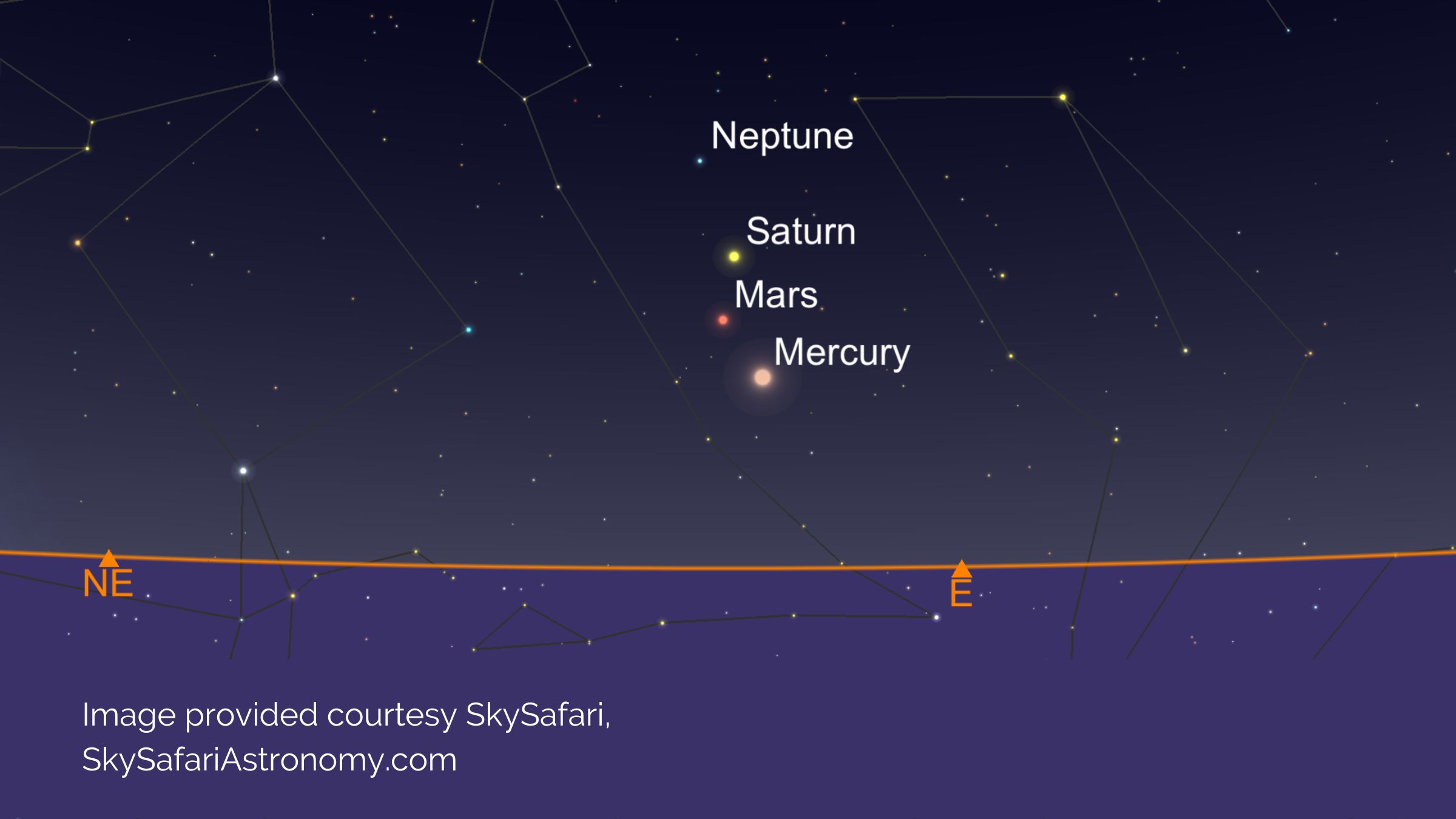
Dawn on Anzac Day this year is extra special. If you regularly attend dawn services, you’ll know that the view of the stars and planets change from year to year. This year, there are three naked-eye planets visible in a celestial line up. A conjunction is where...
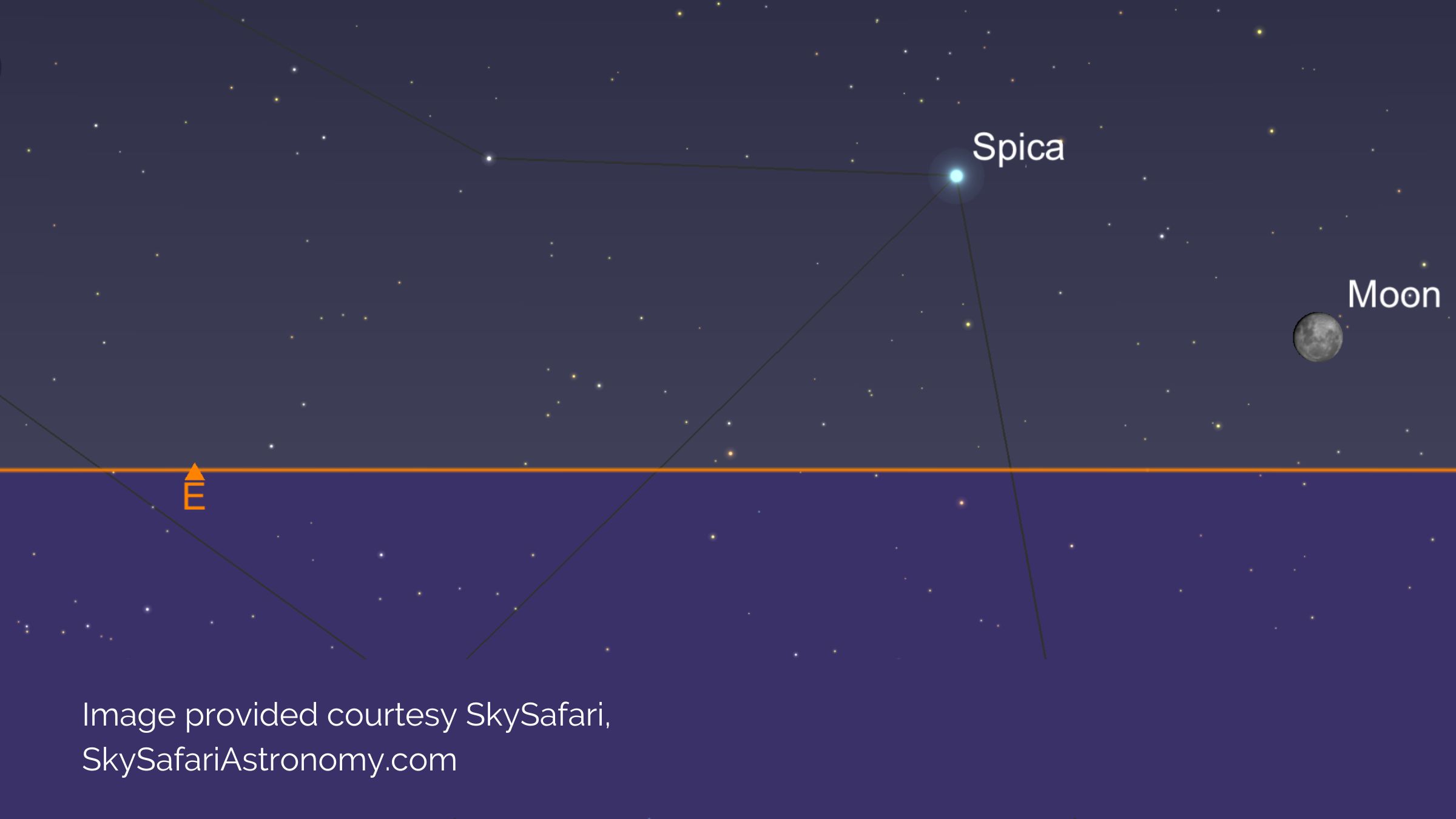
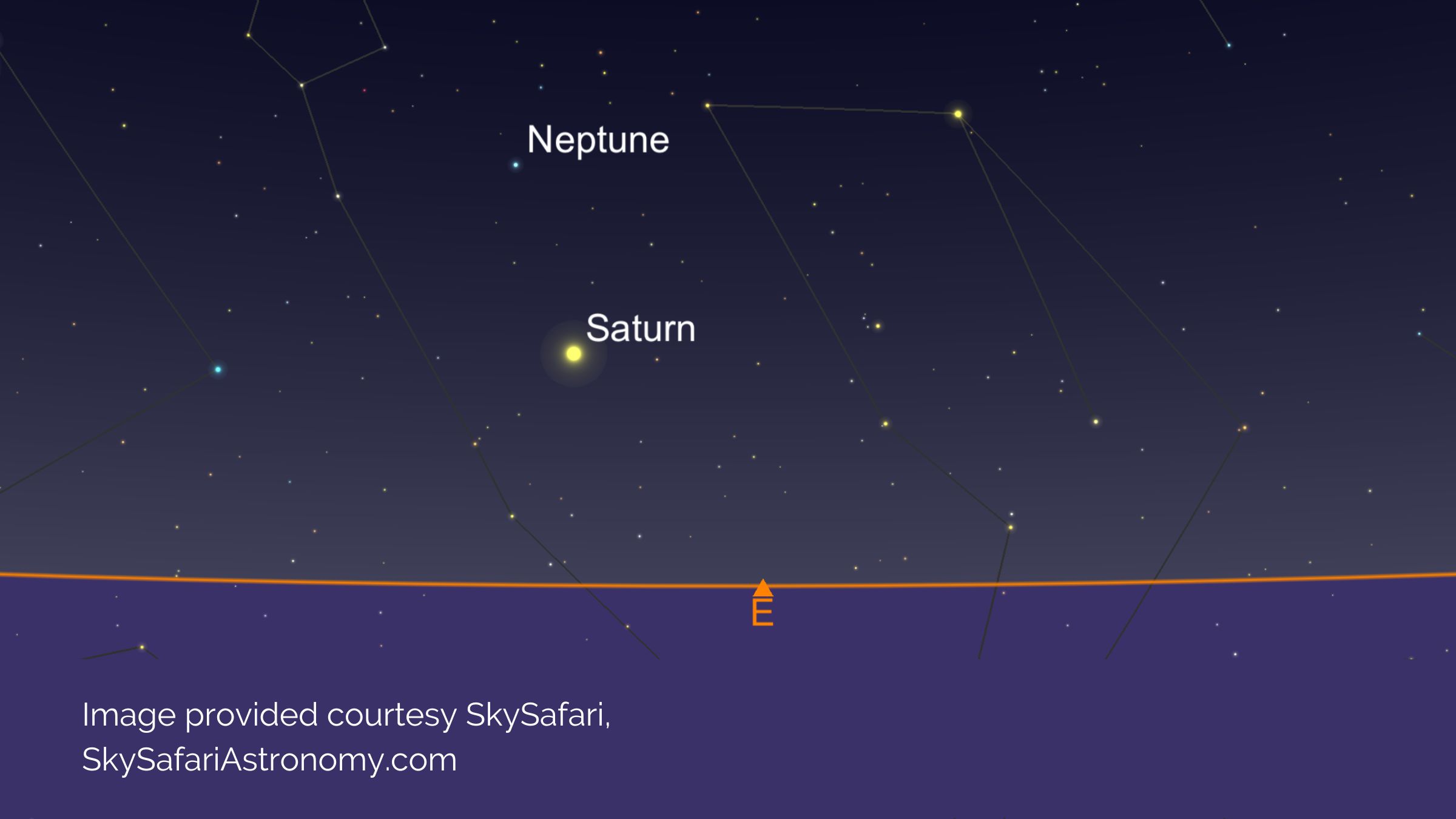
This is the month to view Saturn! The image above is for about 7pm in the early evening of 4th October. On this date, Saturn is at what is called “opposition” and means it is closest to Earth for the year. It also means that this is the ideal time to view...
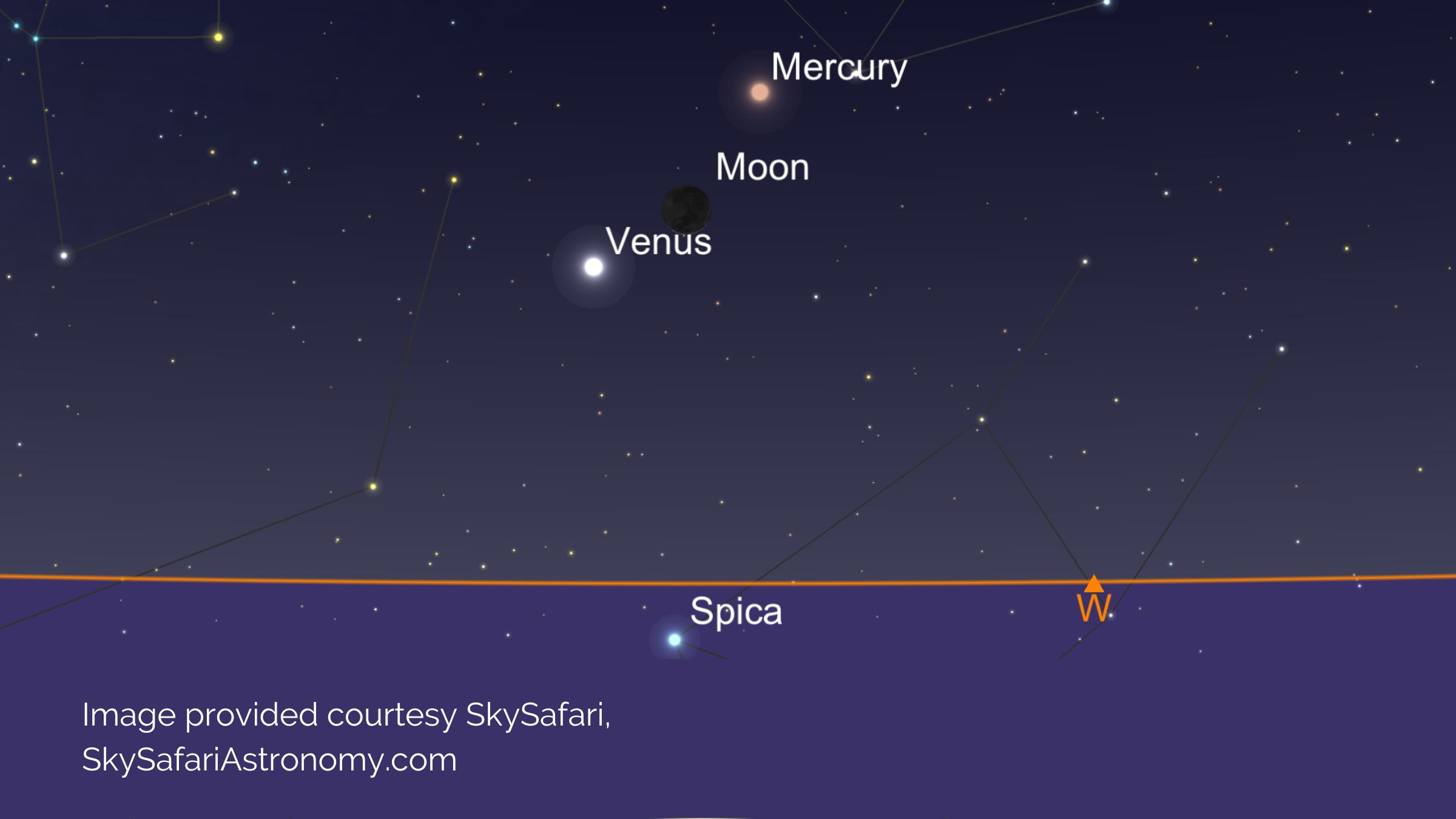
On this night, Mercury and Venus are the “stars” of the show! The pair of naked-eye planets appear on either side of a thin crescent Moon after sunset. Mercury is the planet above the Moon and Venus is below. If you turn around to look at the eastern...
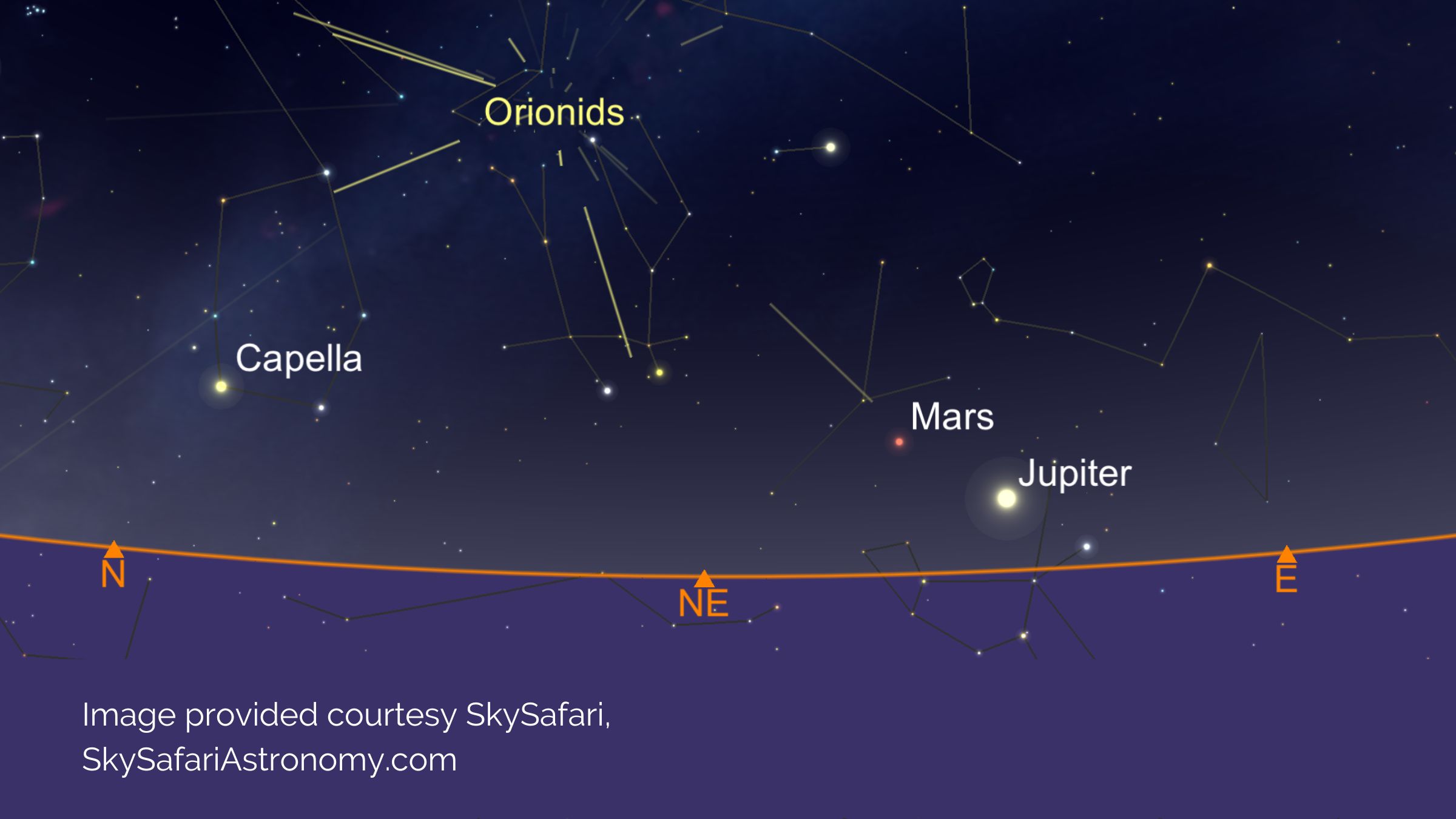
If you’re a stargazer out enjoying the 2026 Orionid Meteor Shower, you might expect to see up to 20 meteors per hour. The Orionids meteors are generated from Halley’s Comet, which last graced our night sky in 1986. In December 2024, the comet began its nearly 40-year...

Recent Comments