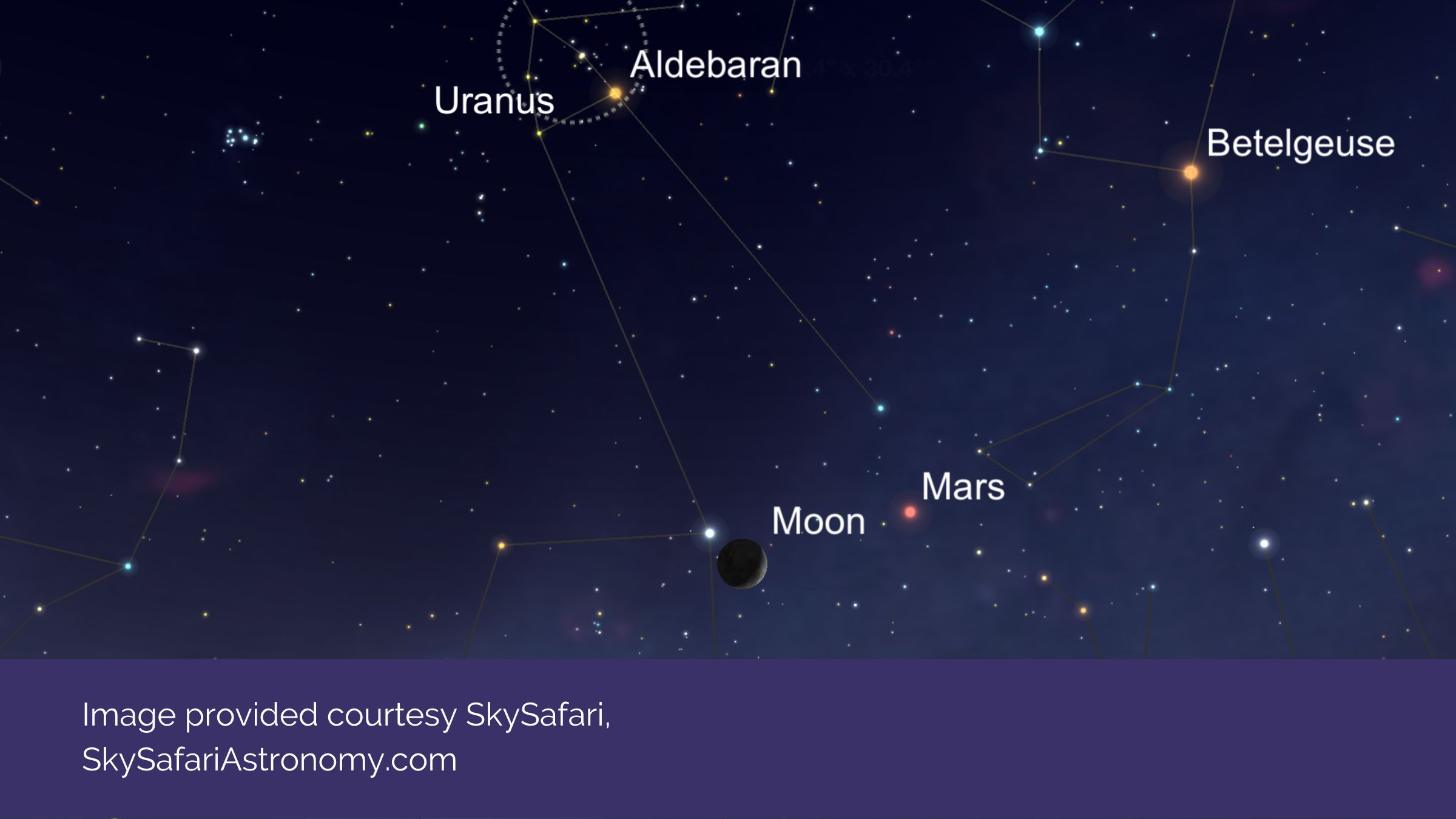
Taurus is a fantastic constellation. The bright red star of Aldebaran marks the eye of the bull and a pair of horns extend out into space. Early in the morning on 9th August, there’s a great opportunity to see which stars mark the tips of the horns of Taurus....
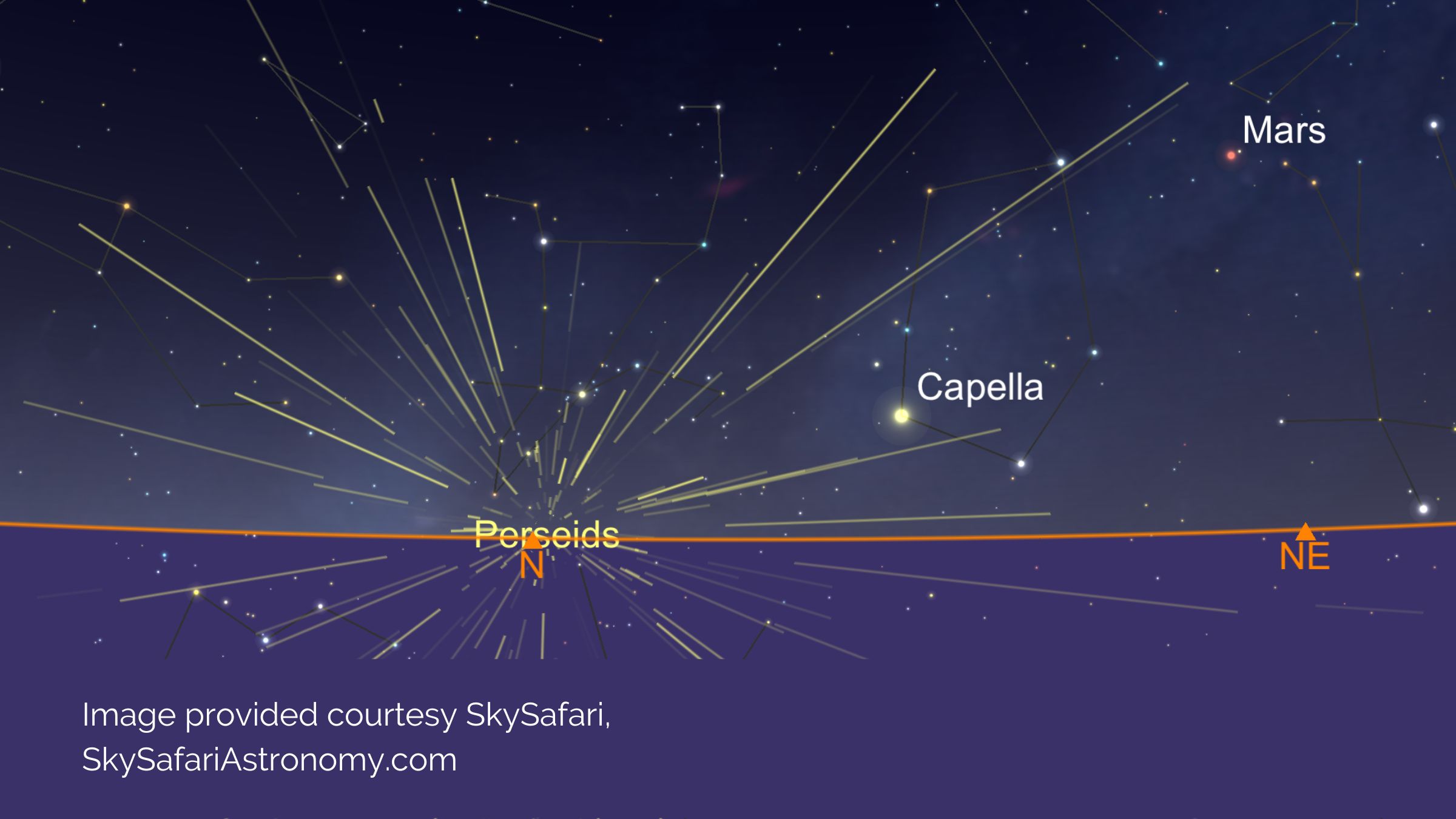
The Perseid meteor shower is a popular meteor shower to observe in the northern hemisphere, with an average of about 100 meteors seen per hour. The Perseids are better seen from northern Western Australia or the northern hemisphere. The radiant point, the point in the...
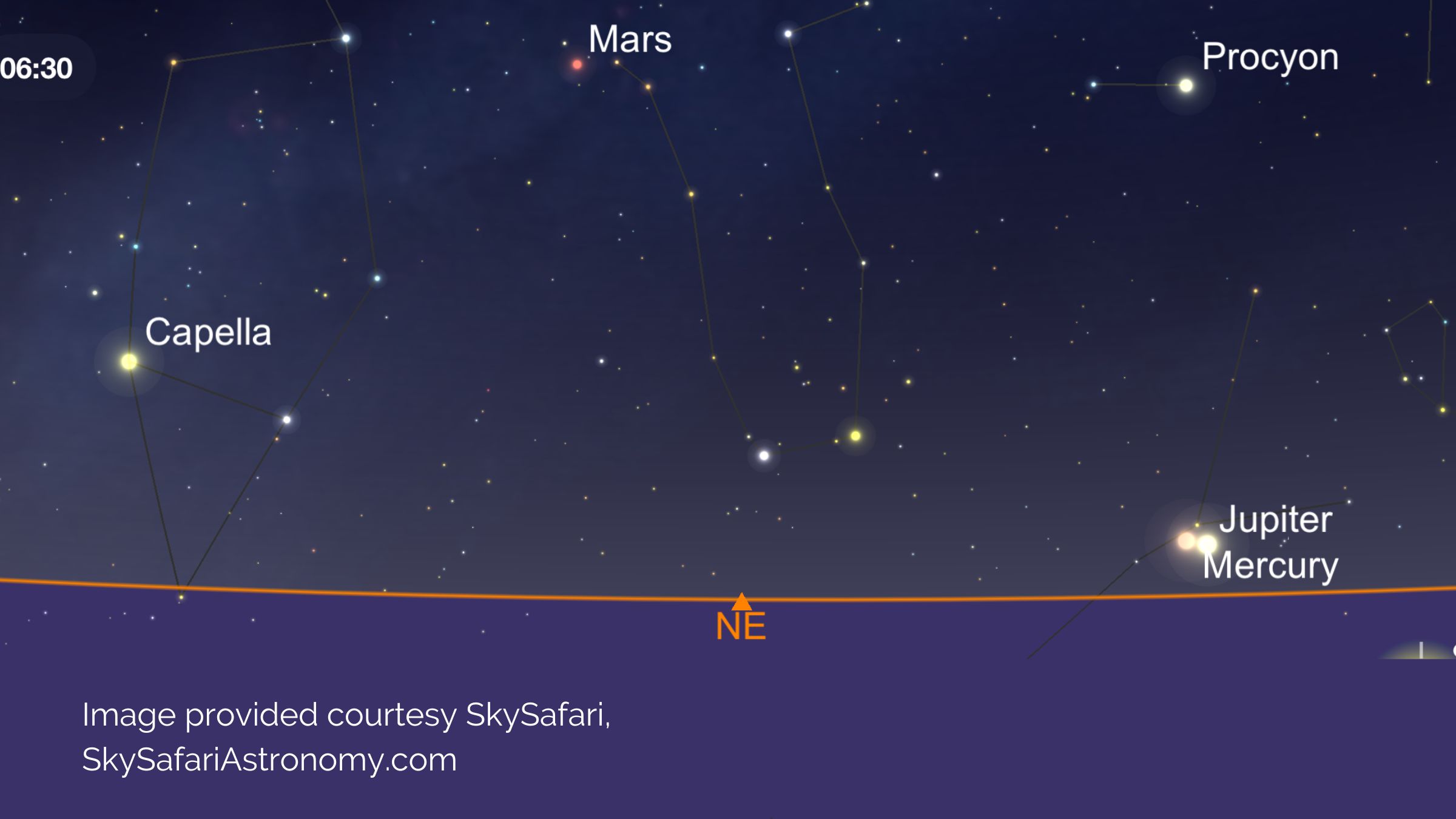
In the early morning of 15th August, stargazers are treated to a close approach of the planets Jupiter and Mercury as they make a conjunction in the pre-dawn sky. A conjunction is where two astronomical objects, likes planets, appear close together in the sky....
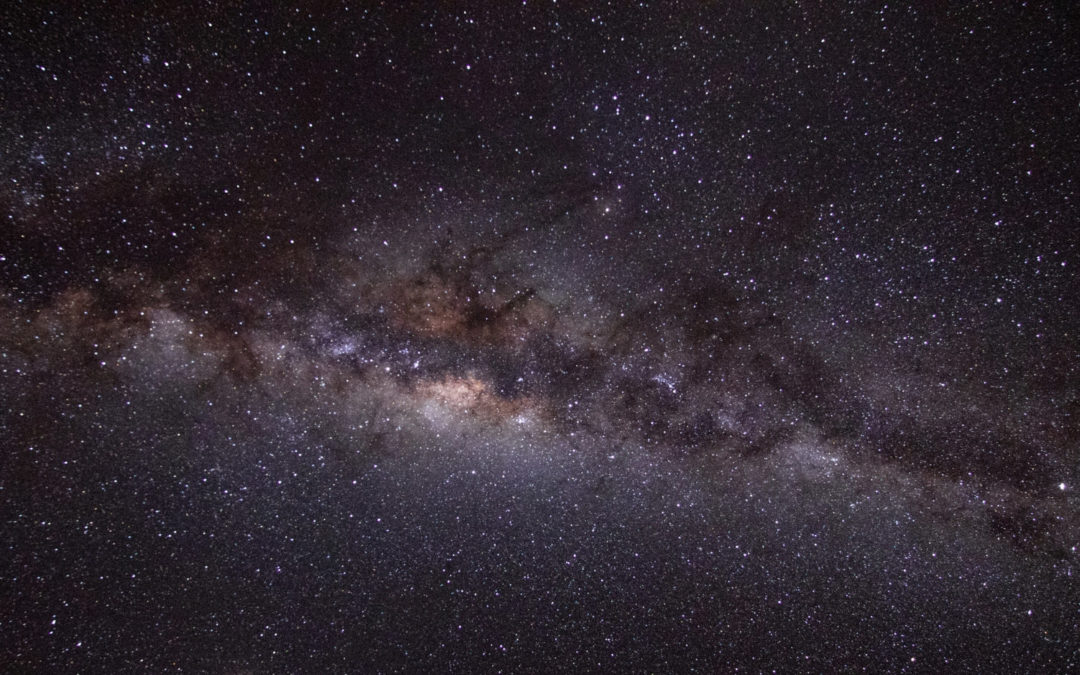
August 2025 6 August13 August20 August28 AugustRises 6:08pm (AWST) Milky Way Season | April to October Astrophotographers call the time of year between mid-autumn and mid-spring ‘Milky Way season’. This period gets its name because of how, in the southern...
Astrophotographers call the time of year between mid-autumn and mid-spring ‘Milky Way season’. This period gets its name because of how, in the southern hemisphere, it’s the best time of year to see and photograph the Milky Way. When you look towards the centre,...
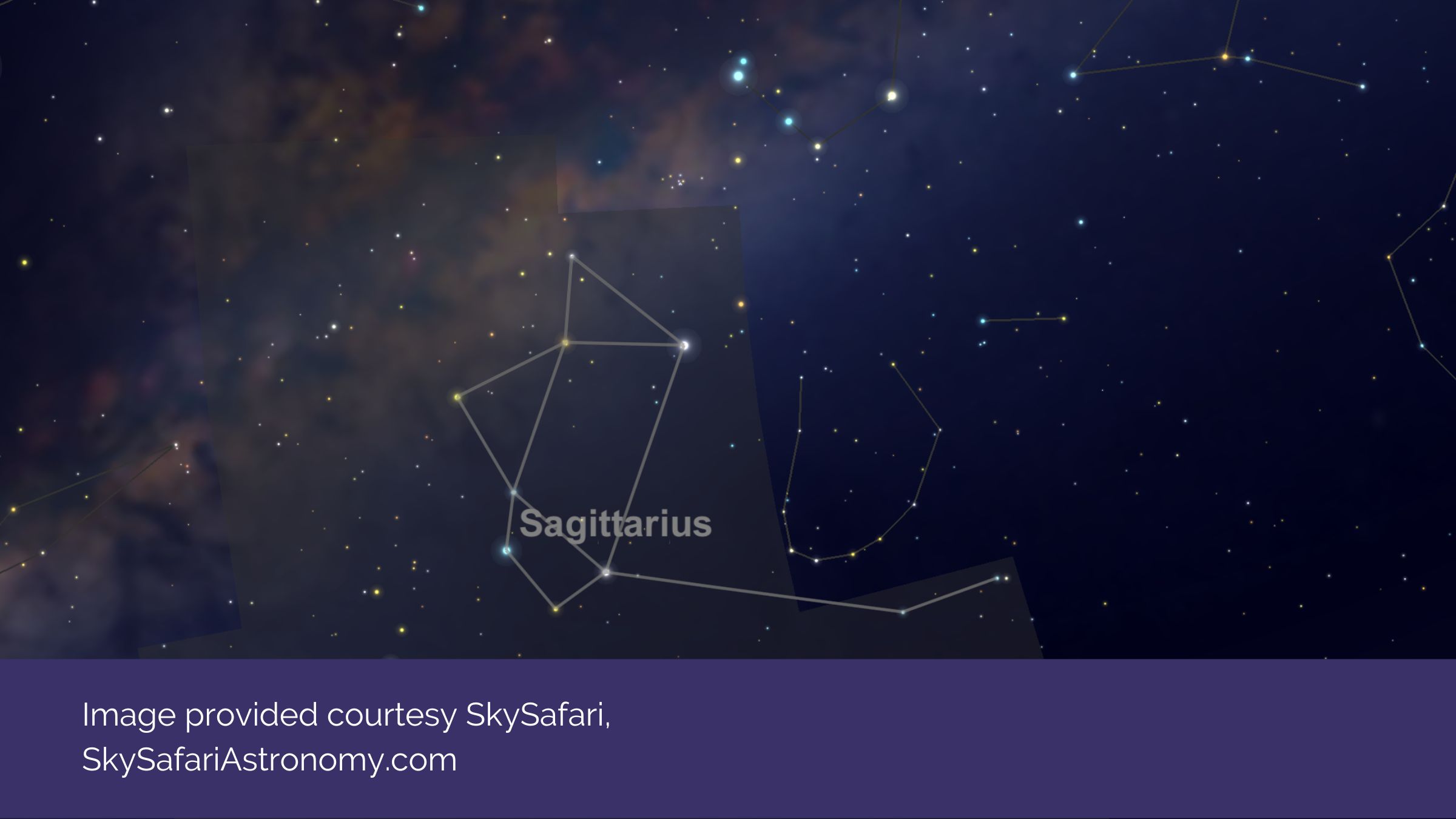
Sagittarius, a captivating constellation gracing our night sky, invites stargazers on a journey through mythology and celestial beauty. Positioned in the southern hemisphere, this zodiacal constellation is rich in lore and captivating features. Often depicted as a...
Noongar people are the traditional owners of the south-west of Western Australia and have been for over 45,000 years. In the Noongar calendar, the months of August and September bring the season of Djilba. Mainstream education teaches the four seasons of Spring,...


Recent Comments