The Alpha Centaurid meteor shower (also spelled α-Centaurid) was likely first observed from Sydney, in February 1889. However, they weren’t recorded again until 1938, when they were observed from South West Africa. The meteors were only formally recognised in...
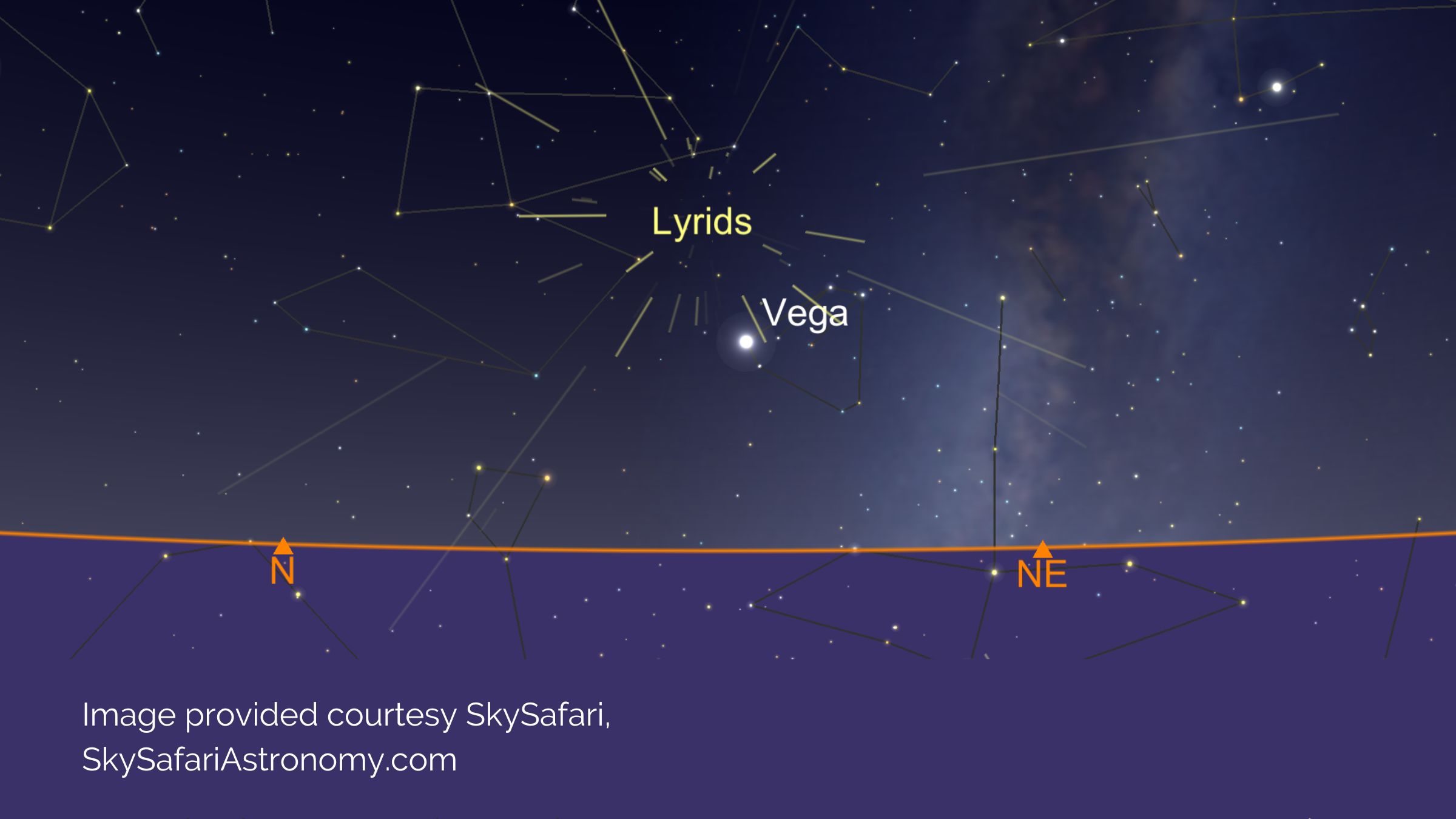
The Lyrid Meteor Shower is known for its fast and bright meteors, with occasional fireballs. Meteor showers are named after the constellation where they appear to come from. In the case of the Lyrids, the meteors come from the direction of the Lyra constellation. If...
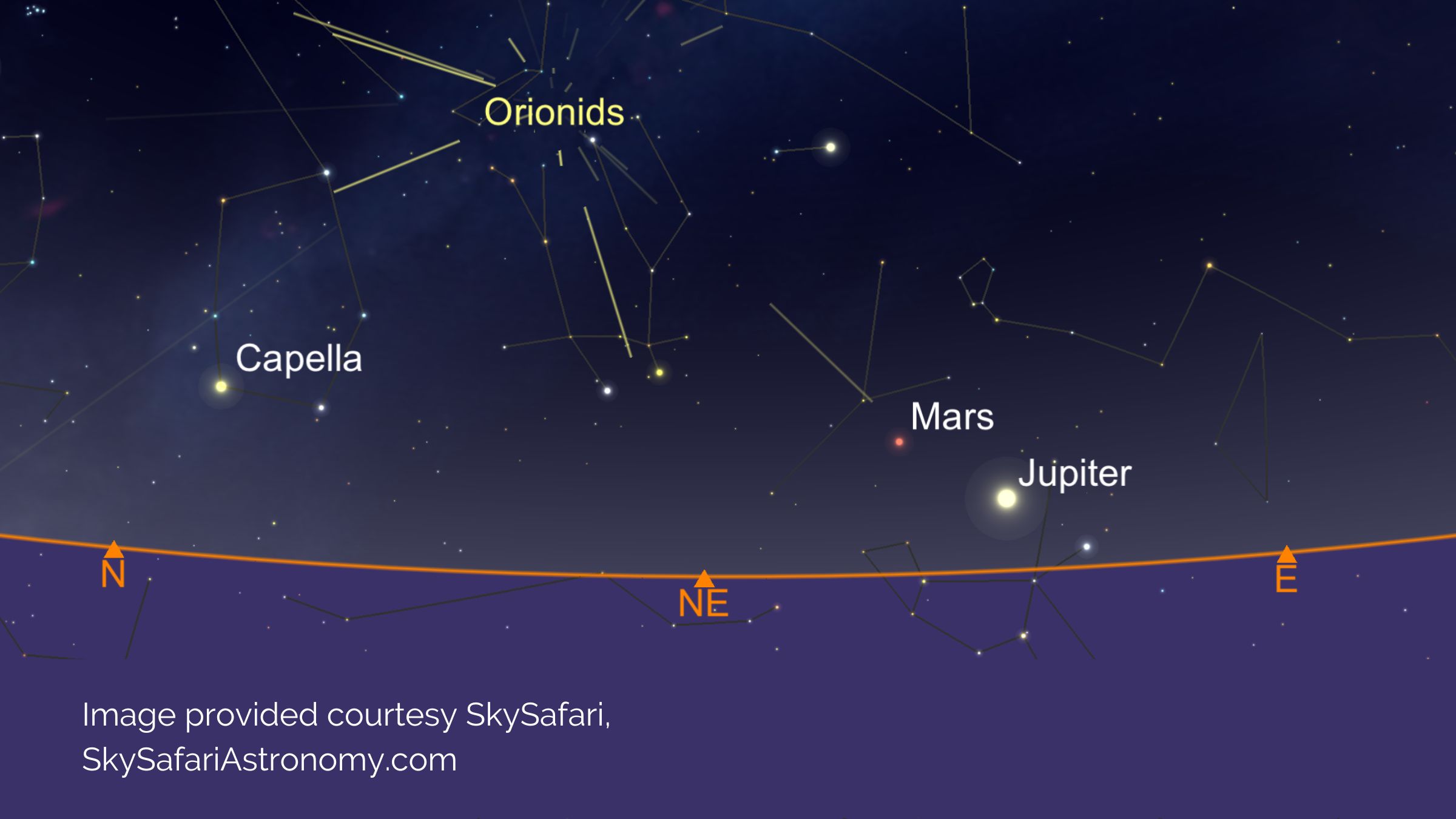
If you’re a stargazer out enjoying the 2026 Orionid Meteor Shower, you might expect to see up to 20 meteors per hour. The Orionids meteors are generated from Halley’s Comet, which last graced our night sky in 1986. In December 2024, the comet began its nearly 40-year...
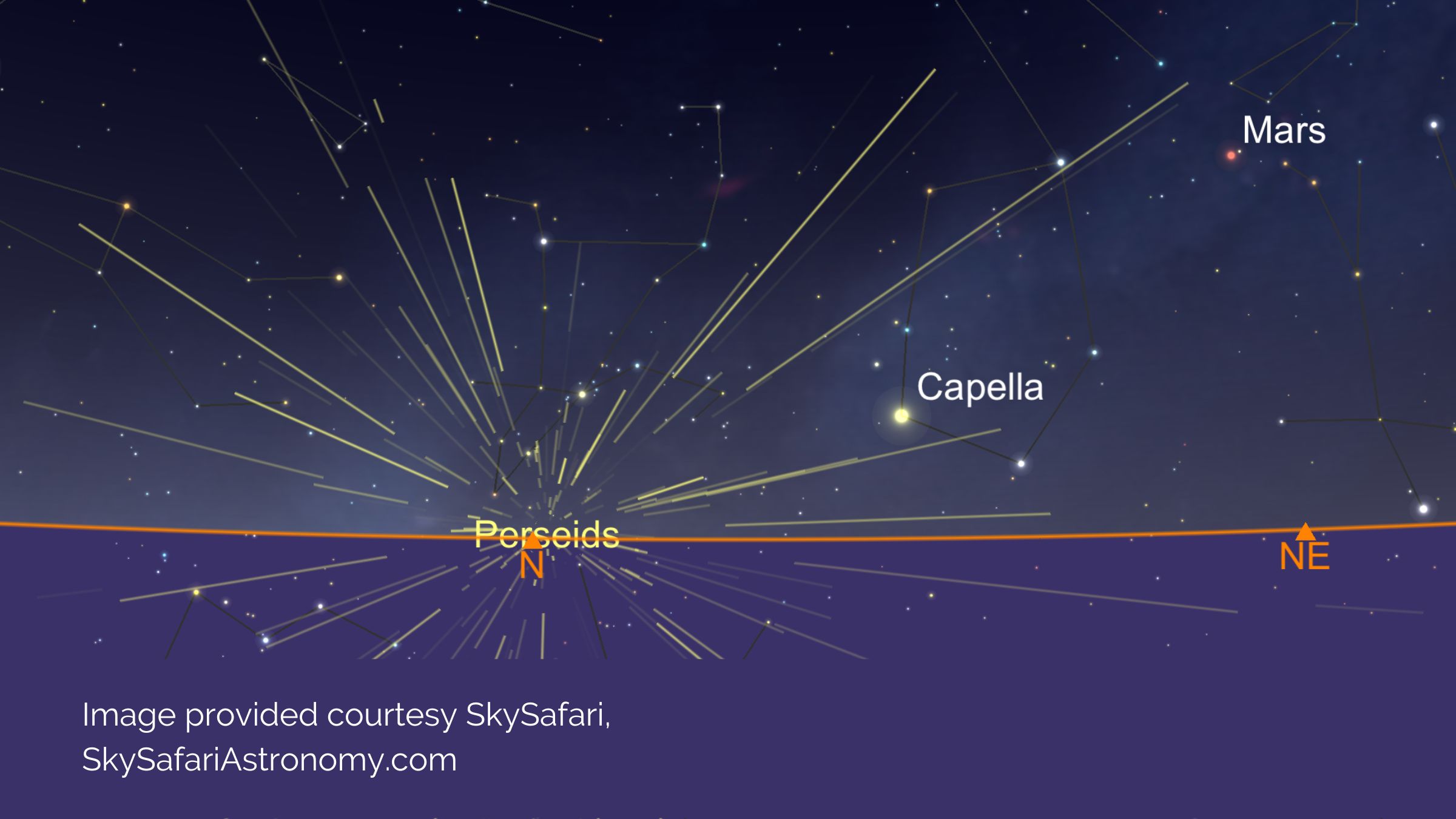
The Perseid meteor shower is a popular meteor shower to observe in the northern hemisphere, with an average of about 100 meteors seen per hour. You’ll see the Perseids better from northern Western Australia or the northern hemisphere. The radiant point, the...
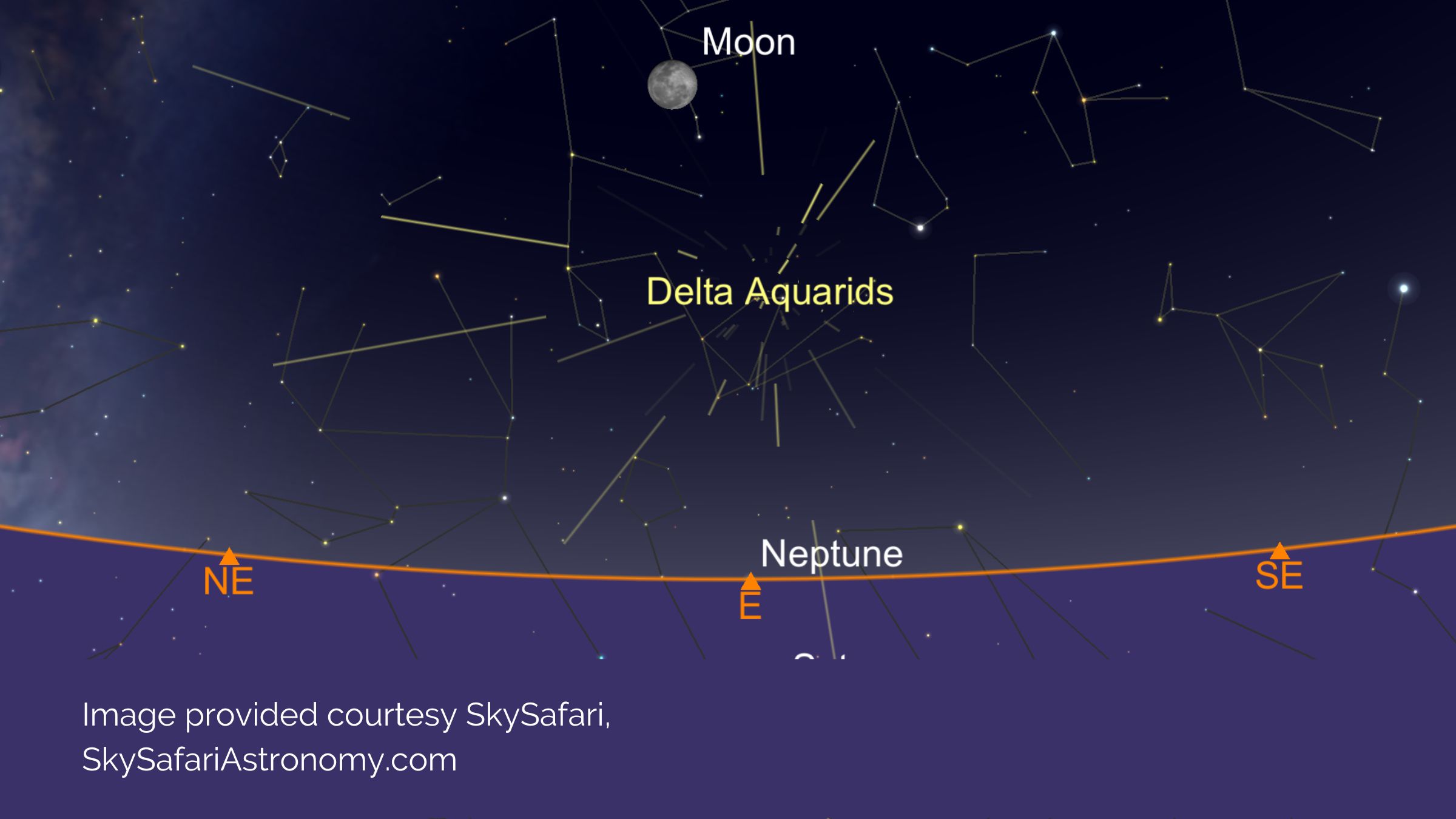
The Southern delta-Aquariid meteor shower (also known as the Southern delta-Aquarids, or Southern δ-Aquariid) usually produces faint meteors, and observing meteor showers can already be tough at the best of times. Getting the best out of a meteor shower requires late...
This year, the conditions aren’t quite perfectly dark for viewing the Eta Aquariid meteor shower. The waning Moon will illuminate the night sky at the time of the shower, reducing your visibility of faint meteors: you could still catch some brighter ones,...
The Phoenicids meteors are a minor meteor shower and were first observed in Australia, New Zealand, South Africa, and the Indian Ocean in December 1956. The shower’s radiant point in the Phoenix constellation is high on the south west horizon, so it will be if...
The Geminid meteor shower is generated from asteroid 3200 Phaethon and it’s one of the most active and best meteor showers to see. Since NASA’s Infrared Astronomical Satellite (IRAS) discovered the asteroid on 11 October 1983, Phaethon has gone around the sun...
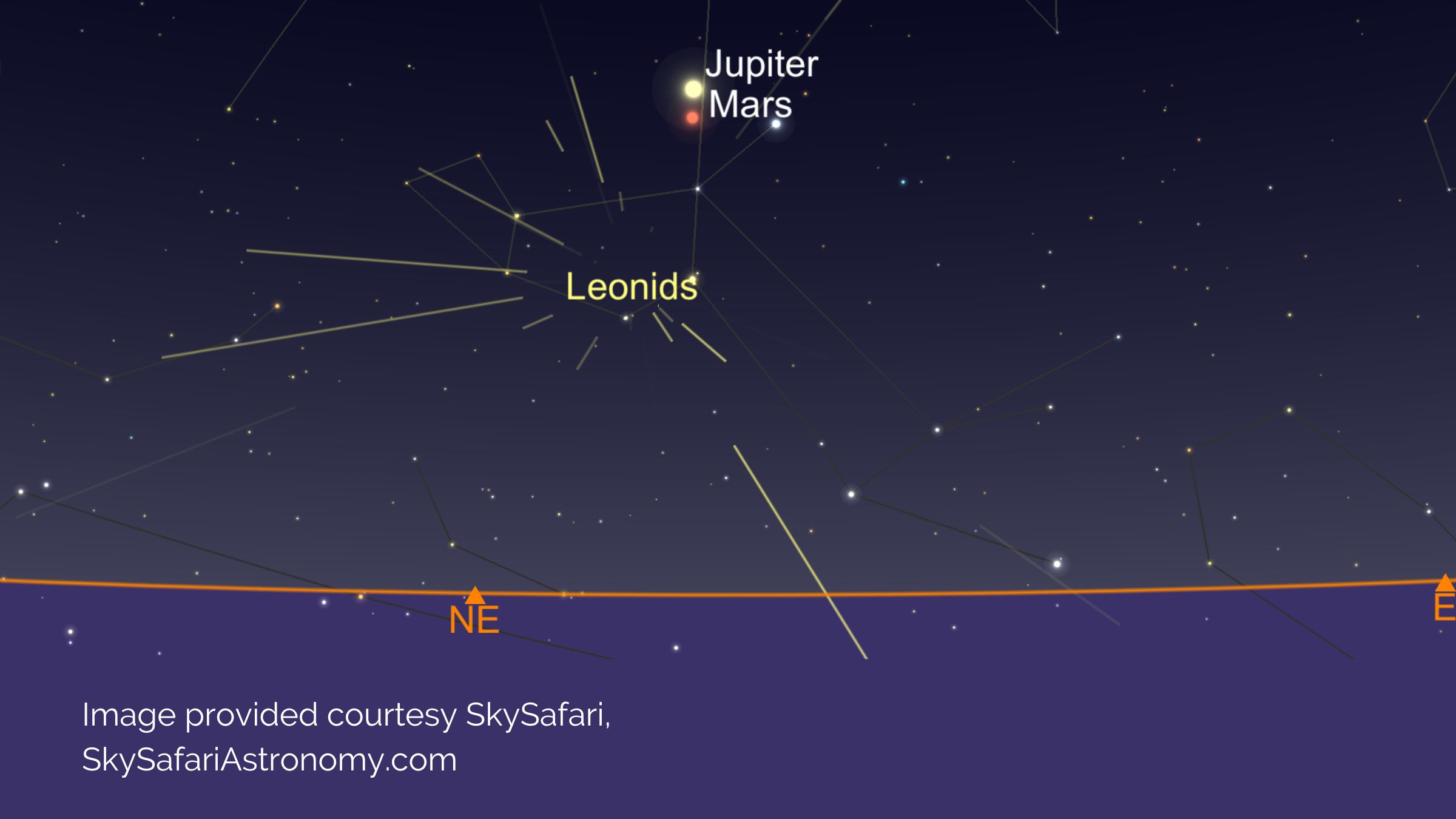
The Leonid meteor shower is caused by the Earth flying through debris left by Comet 55P/Tempel-Tuttle. Around every 33 years, we pass through a fresh debris deposit, which very occasionally produces bursts of thousands of meteors per minute. Is it worth me getting out...



Recent Comments