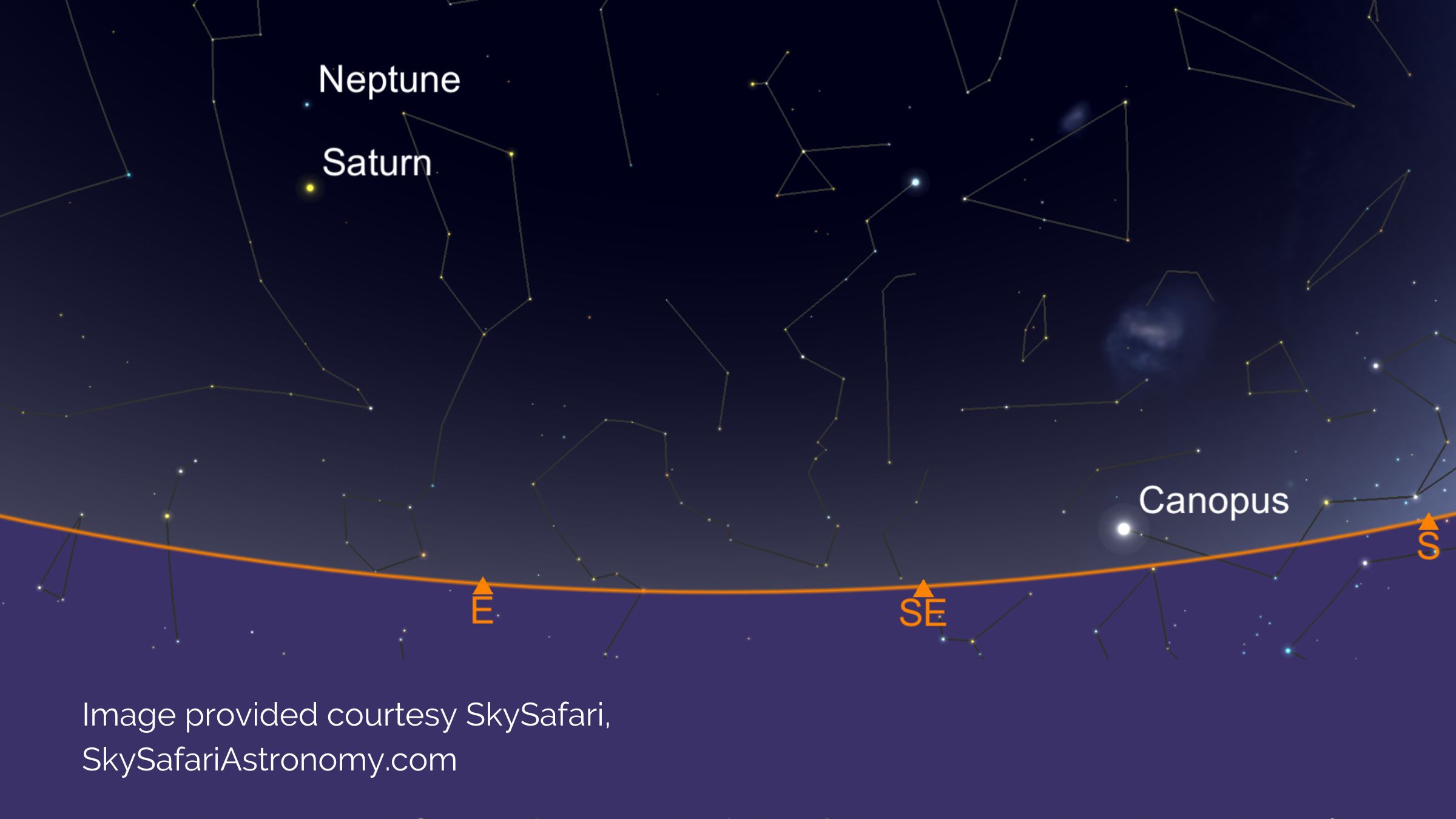
Will you be trick and treating this Halloween? If you are, Saturn will keep you company as you go from door to door. After the sun sets, keep an eye out for Saturn in the eastern evening sky. Help our younger trick or treaters identify the planet. In the image above,...
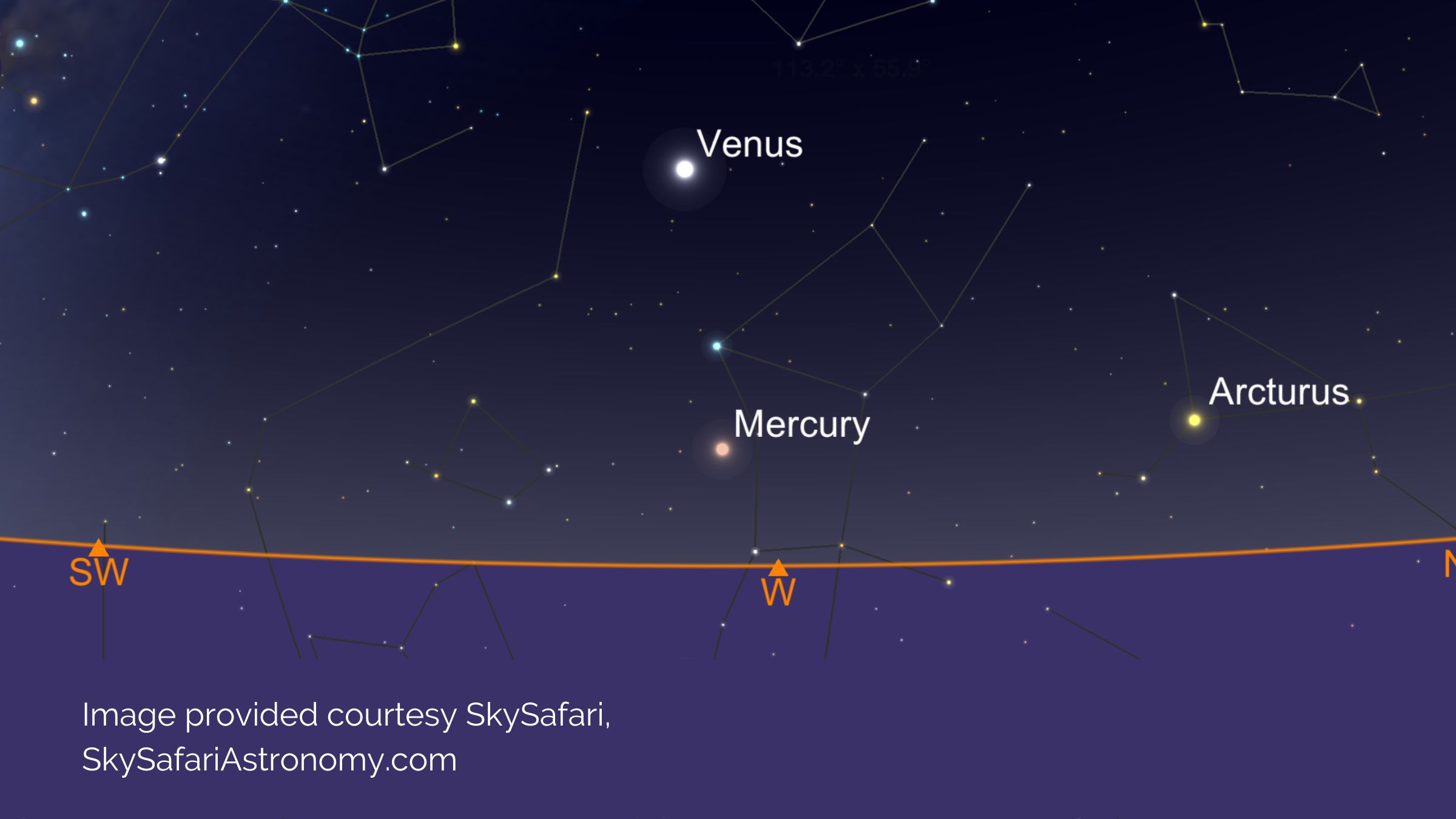
Have you been asking yourself….”What is that bright star I can see in the evening?” It’s not a star at all, it’s our neighbouring planet, Venus and it has been making a striking sight on the western horizon. On 23rd September and also on...
The September Equinox, also known as the Spring or Vernal equinox, marks the Southern Hemisphere’s transition from winter to spring. The equinox also means that almost everywhere will have an equal number of hours of daylight and darkness. What astronomical...
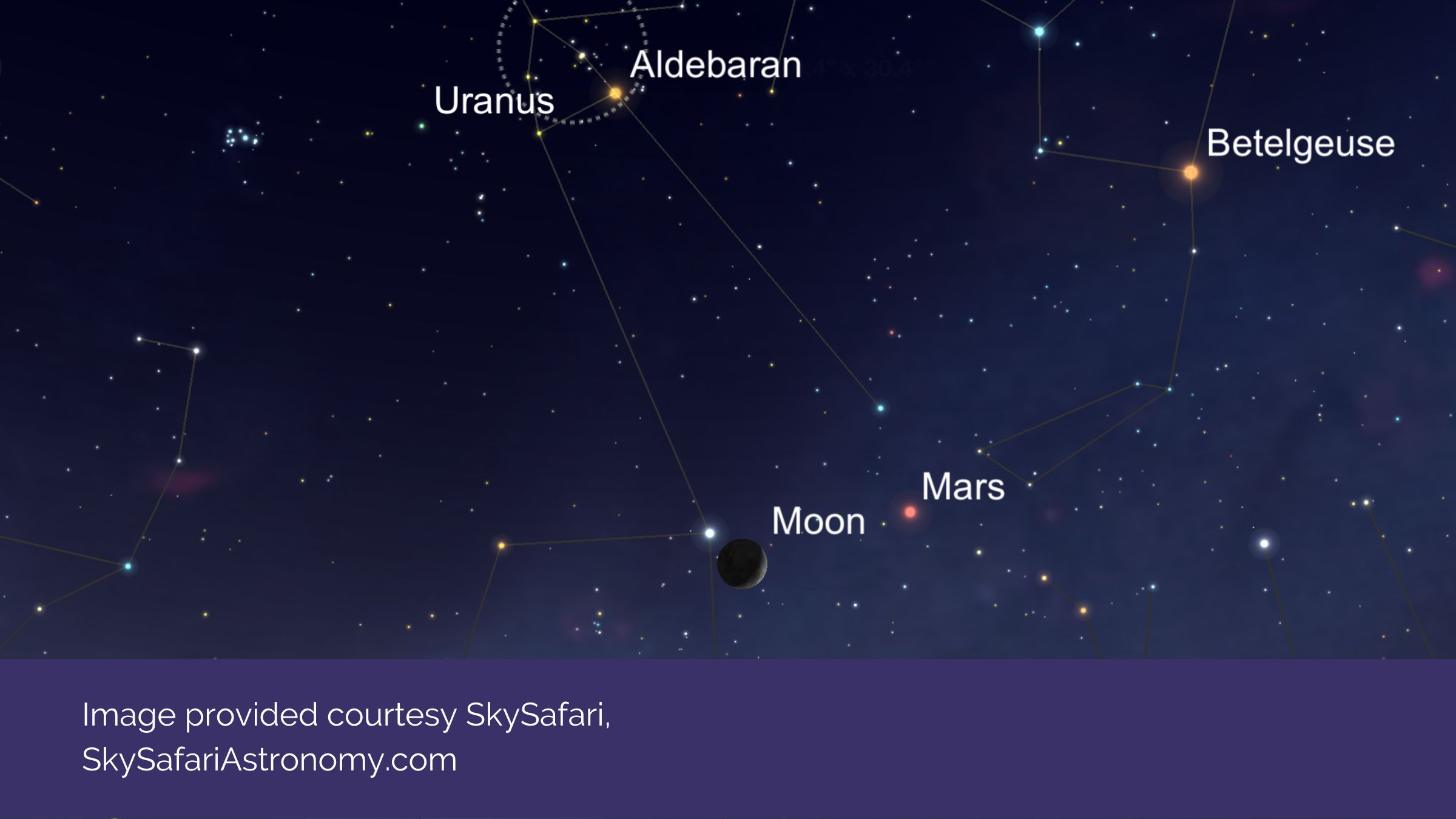
Taurus is a fantastic constellation. The bright red star of Aldebaran marks the eye of the bull and a pair of horns extend out into space. Early in the morning on 9th August, there’s a great opportunity to see which stars mark the tips of the horns of Taurus....
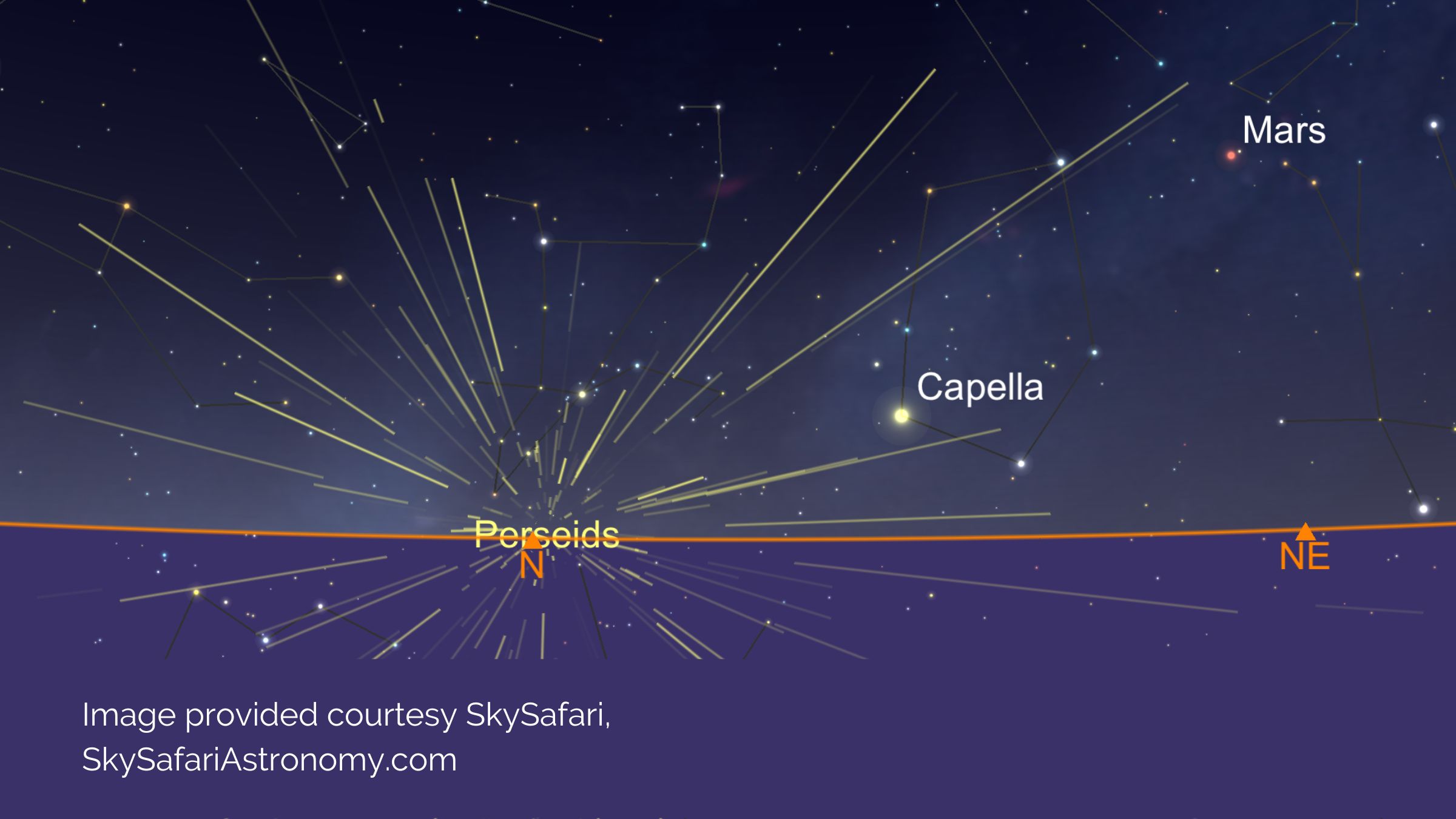
The Perseid meteor shower is a popular meteor shower to observe in the northern hemisphere, with an average of about 100 meteors seen per hour. You’ll see the Perseids better from northern Western Australia or the northern hemisphere. The radiant point, the...
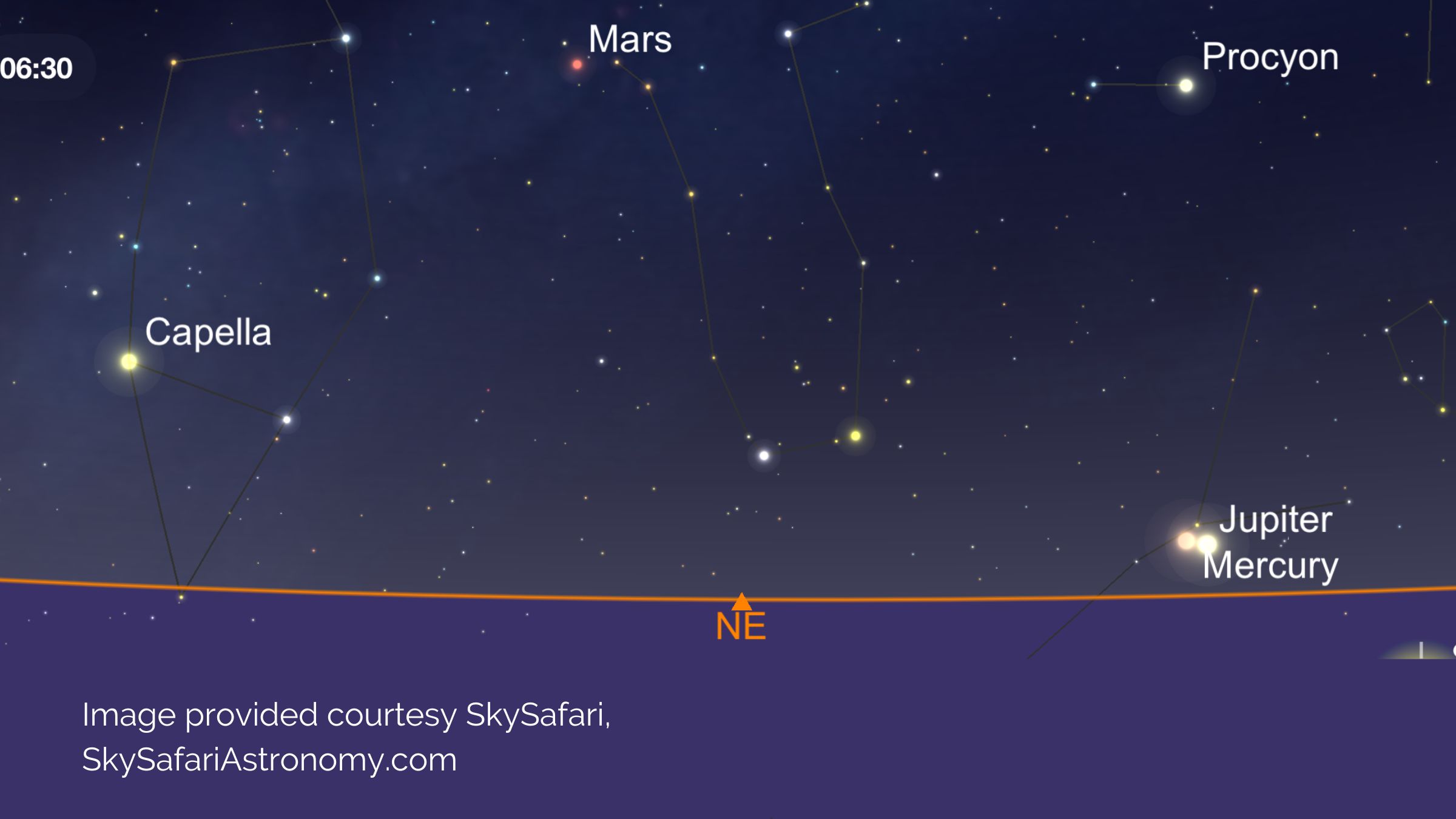
In the early morning of 15th August, stargazers are treated to a close approach of the planets Jupiter and Mercury as they make a conjunction in the pre-dawn sky. A conjunction is where two astronomical objects, likes planets, appear close together in the sky....
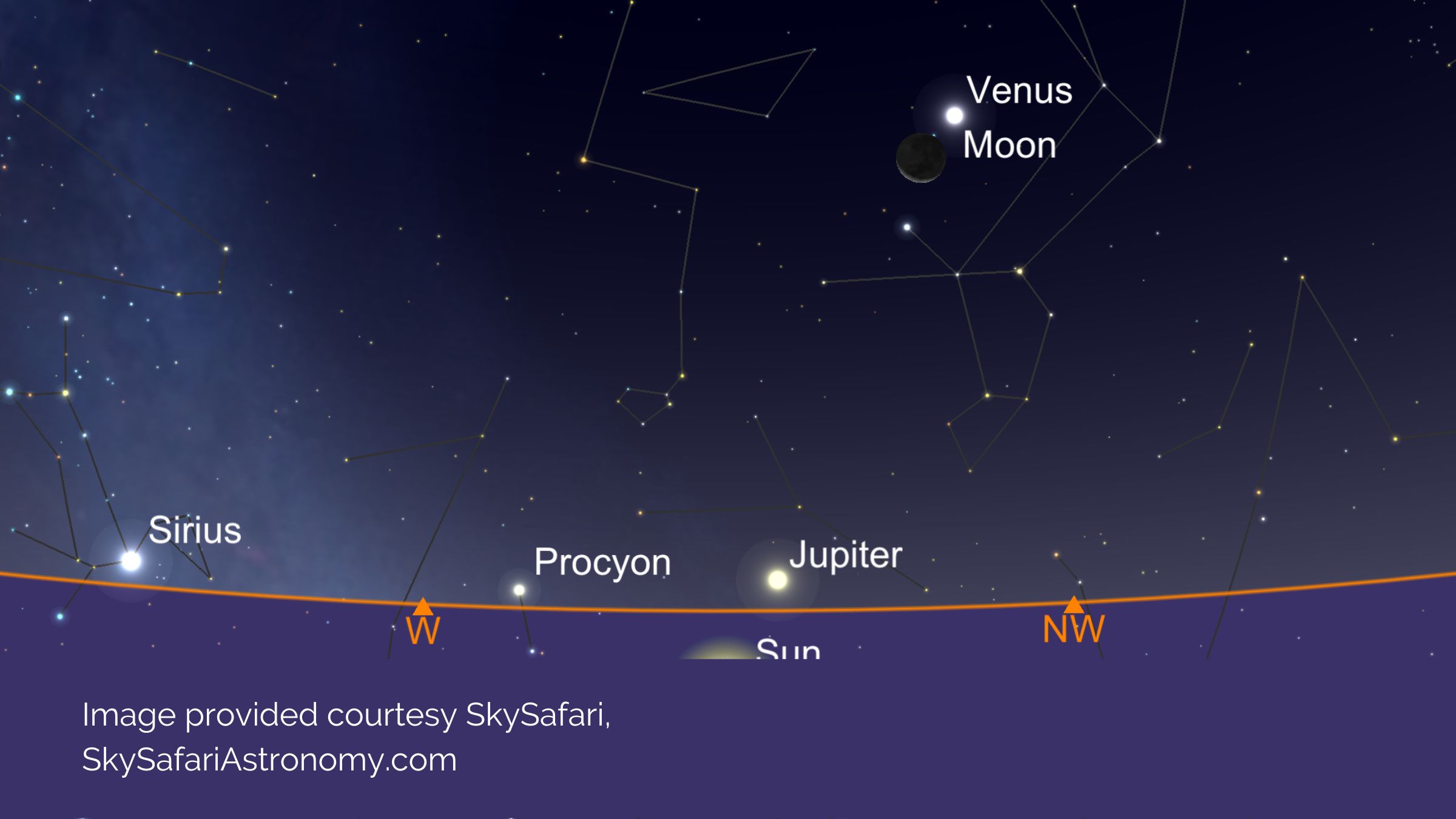
The Moon and Venus make a stunning duo. If the weather is favourable, pack a picnic with family or friends and take some time to watch the sunset before seeing the thin crescent Moon and Venus make an appearance. If you have a view very low on the western horizon, you...
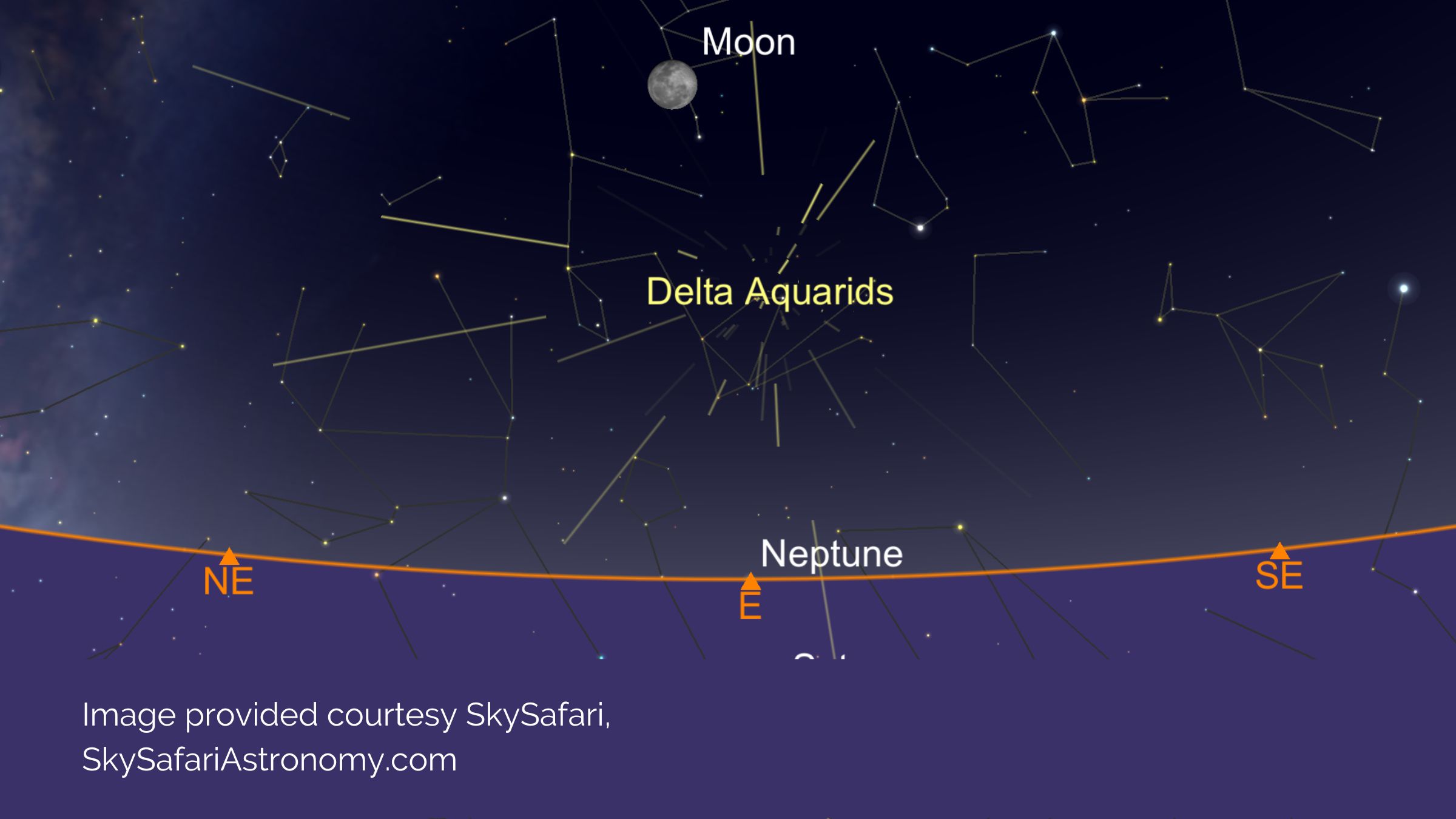
The Southern delta-Aquariid meteor shower (also known as the Southern delta-Aquarids, or Southern δ-Aquariid) usually produces faint meteors, and observing meteor showers can already be tough at the best of times. Getting the best out of a meteor shower requires late...
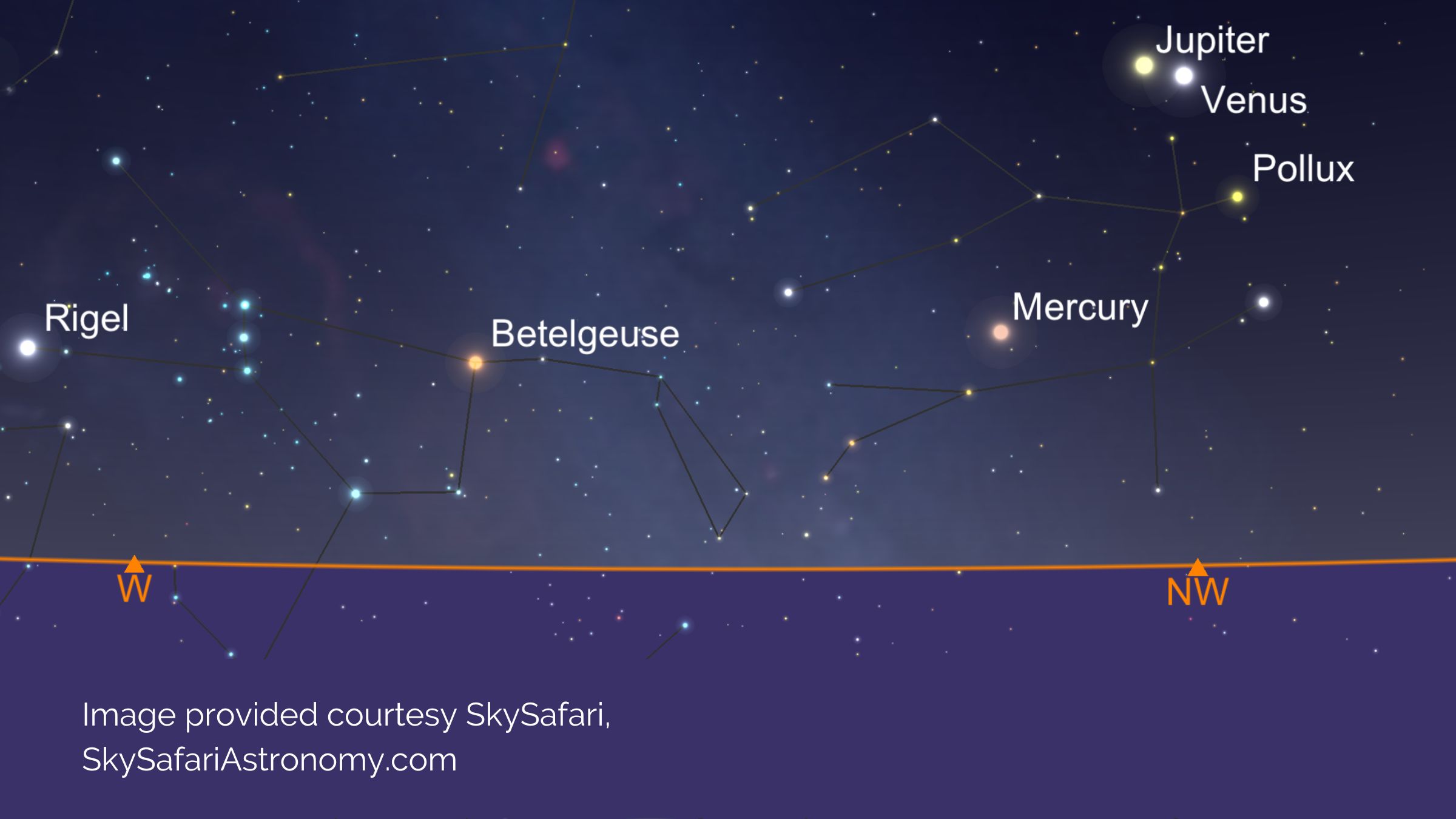
If you’ve been keeping an eye on the early evening sky this past month, you’ll know that there’s been plenty of action when it comes to three of our naked-eye visible planets. Jupiter, Venus and Mercury have been dancing in the evening twilight....


Recent Comments